
The digital publishing world is already under pressure. AI-driven changes to search algorithms and referral traffic patterns are threatening publisher revenues, and now another silent threat is eroding monetization: dark traffic.
For tech publishers, already facing some of the highest exposure rates, this is not just a mild inconvenience. It’s a direct hit to analytics, ad revenue, and audience engagement capabilities.
What Is Dark Traffic?
Dark traffic occurs when a website visitor’s activity is invisible to standard analytics and monetization tools due to aggressive blocking technologies.
This can happen when:
- Site analytics are blocked (traffic not recorded in dashboards).
- Ads are blocked without the option to replace them with whitelisted ads (e.g., Acceptable Ads).
- Adblock walls or user prompts (e.g., paywalls, cookie banners, subscribe pop-ups) are blocked entirely.
Adblocking is no longer something defined to a few browser plugins on Chrome or Firefox. Today, it’s embedded in a wide variety of platforms and tools that have become highly effective in blocking ads.
- Standalone or bundled mobile/desktop apps
- VPN services that include ad filtering
- Blocking applied at the network level
- Filters within offices, institutions, and public Wi-Fi networks
These newer blocking methods expose a key limitation of older adblock recovery systems they’re unable to counter them.
How Big Is the Problem?
The latest data is alarming:
- 976 million internet users are considered dark traffic that’s 18% of all web traffic.
- Dark traffic has grown 49% in the last three years.
- 57% of dark traffic users did not actively choose adblocking their settings were enabled by a third party (workplace IT, security software, public WiFi providers, enterprise firewalls).
- 53% of dark traffic is mobile, with high concentration in the US, UK, Germany, France, and Canada.
Why Tech Publishers Should Be Concernerned?
While the global dark traffic rate averages 18%, tech publishers see around 30% second to gaming publishers at 34%.
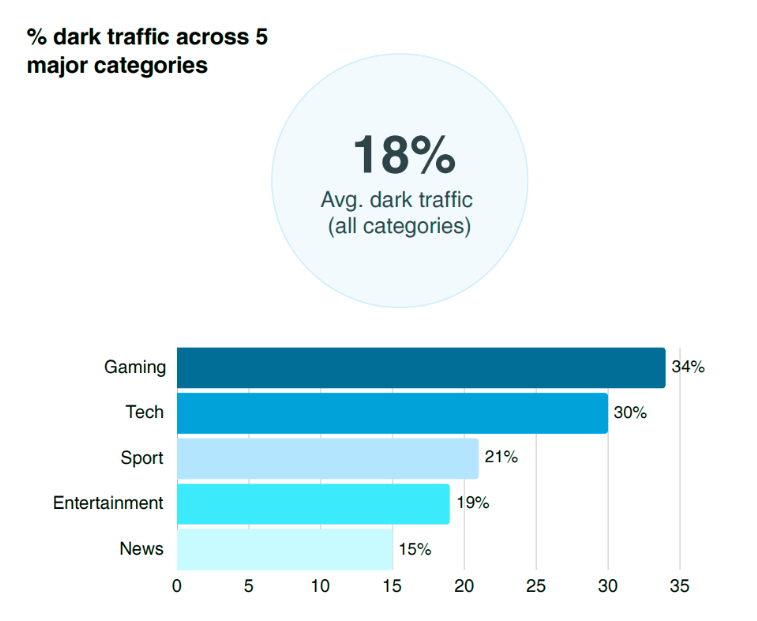
This high exposure is partly due to the audience profile: younger, more technically literate users who actively install what are known as brutal adblockers tools that block everything, including:
- Ad measurement
- Consent banners
- Regwalls and paywalls
- Affiliate links and tracking scripts
Brutal adblockers are especially damaging because they not only cut into ad revenue but also strip publishers of the ability to measure audience behavior and maintain user relationships.
The Misconception About User Choice
While tech-savvy audiences are more likely to install adblockers intentionally, the data shows that only 43% of dark traffic users actively chose to use these tools.
The rest were opted in without knowledge, often due to:
- Bundled installations with other software
- Default settings in enterprise or public networks
- Security products with aggressive blocking policies
This means publishers are losing a significant share of traffic and revenue from users who never made a conscious choice to block ads or tracking.
Why Traditional Adblock Recovery Tools Fail?
Tech publishers have often relied on Acceptable Ads programs or adblock walls to recover some of the lost revenue. But brutal adblockers bypass these entirely.
This incompatibility means publishers must look for alternative monetization strategies that don’t rely solely on standard ad recovery methods.
Final Thoughts
Dark traffic isn’t just an “adblock problem” it’s a measurement and monetization blackout. For tech publishers, the stakes are even higher due to their audience profile and above-average exposure rates.
If you’re a publisher in the tech space, now is the time to:
- Audit your analytics for signs of underreported traffic.
- Explore alternative monetization channels.
- Educate your audience about the impact of overly aggressive blocking on their experience.
Dark traffic is growing fast and unlike traditional adblock adoption, much of it is happening without user consent. The earlier publishers act, the better equipped they’ll be to protect their revenue and data integrity.
At Vertex Media we help publishers to understand the real scale of their dark traffic problem and build best monetization strategy around it.
Source: Ad Shield Dark Traffic Report